



Article written by Lucy Stokes
Volunteering in Australia is at a turning point.
With participation rates declining across the country, including a 10% drop in Queensland over the past three years, the question facing the sector is no longer simply how to attract volunteers, but how to better support and retain them.
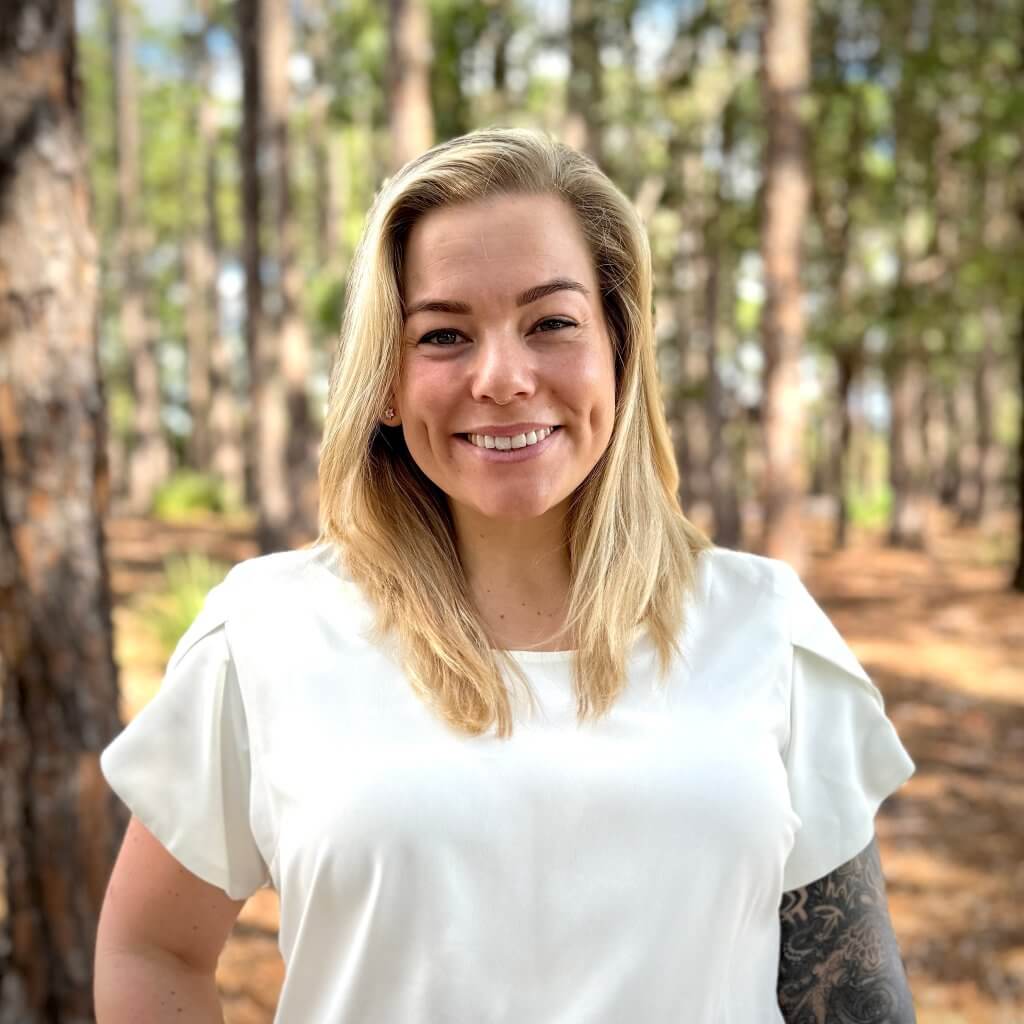
For Julia Wicker, a PhD candidate at Bond University, this challenge is more than a research topic. It is the focus of her work, shaped by years of lived experience within the volunteering sector and a deep commitment to strengthening it for the future.
Her journey into volunteering began not in academia, but through a personal search for connection. Arriving in Australia from Germany, Julia found herself navigating a new environment without an established network, the solution was simple – volunteer.
Her decision to volunteer would not only connect her to community but ultimately lead her to contribute to sector-wide research and initiatives, including her work with Volunteering Queensland and the development of the Voice of the Volunteer survey.
From volunteering to advanced research, Julia’s story offers a timely perspective on the challenges and opportunities facing volunteering today.
Julia’s early volunteering experiences included roles at the Swell Sculpture Festival and the Gold Coast Hospital Foundation, where she supported fundraising efforts to provide essential equipment for children in hospital. She also contributed through community-based initiatives such as Christmas gift wrapping and most recently at Motherhood Village, where she volunteers as a “resident grandma” in peer support groups for parents.
Across these roles, Julia observed firsthand the diverse motivations that bring people to volunteering, as well as the barriers that can prevent ongoing participation.
“I spoke to a lot of volunteers that have children, they said ‘I wish I would volunteer again, but I wish there were opportunities for me as a parent to bring my child.’”
Rather than remaining observations, these experiences became the starting point for deeper inquiry. Julia began to question not only what she was seeing, but why these patterns existed and how they could be addressed at a broader level. This shift from participation to investigation ultimately was part of her decision to pursue further academic research, with a particular focus on accessibility and inclusion within volunteering.
With a professional background spanning over a decade in marketing, communications and advertising, Julia brought significant industry experience to her studies at Bond University, where she commenced in 2018.
After completing a Master of Project Management as valedictorian, Julia progressed to a PhD. Her research focuses on understanding volunteer demand in Queensland, identifying sector-wide patterns, and examining the organisational factors that influence volunteering capacity.
As part of her PhD, Julia is undertaking a PHD Industry Internship with Volunteering Queensland, contributing directly to research initiatives that support the sector. Central to this work is her involvement in the development of the Voice of the Volunteer Survey. Julia has played a key role in ensuring that the survey is both methodologically rigorous and practically valuable, enabling organisations to better understand volunteer experiences and improve engagement and retention strategies.
“I just want to volunteer my PhD to volunteering. How good would it be if I could work with a peak body that informs organisations and has a much greater reach.”
Her approach reflects a broader commitment to bridging the gap between academic research and real-world application, ensuring that insights translate into meaningful outcomes for organisations and the communities they serve.
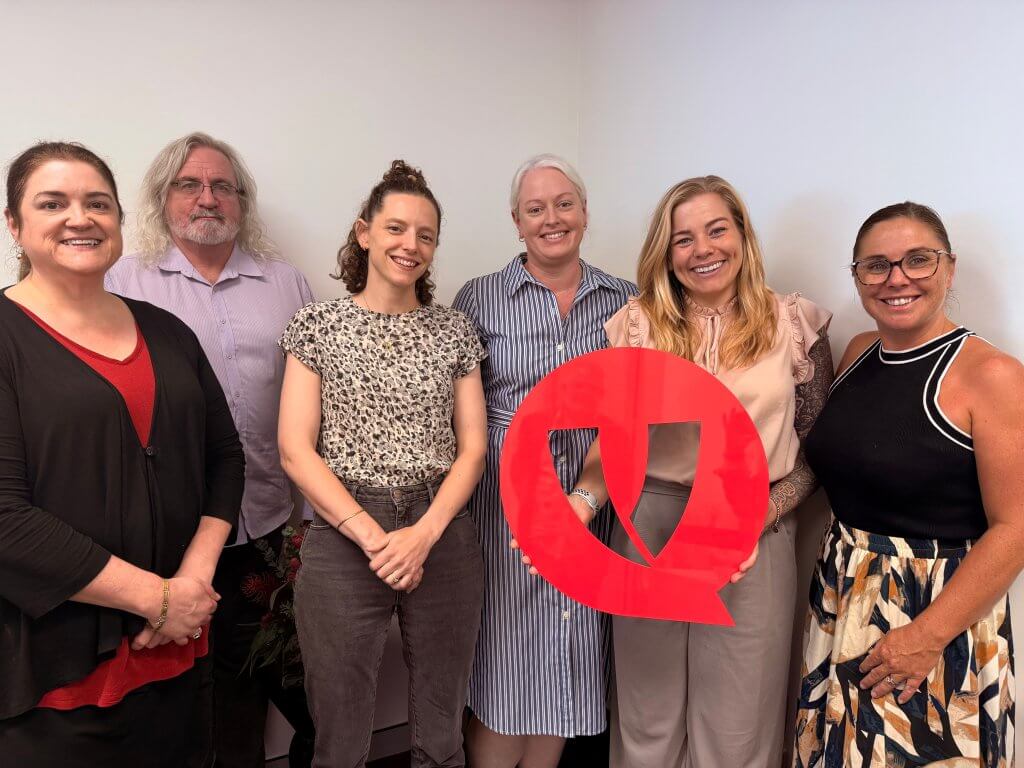
Through both her practical experience and research, Julia has developed a nuanced understanding of volunteer motivations.
“So many people have so many different ways of what they could get out of volunteering depending on their motivation or their goals.”
For some, volunteering offers a pathway to social connection. For others, it provides professional exposure or an opportunity to give back to the community. At the same time, Julia acknowledges that volunteering can feel challenging, particularly for those entering new environments or balancing competing responsibilities.
“Volunteering can be really uncomfortable for some people, but then again, it can bring so much. You can only gain, even if it’s just an experience. But in the worst case, you have helped someone.”
Julia’s research reinforces the importance of designing volunteering opportunities that are flexible, inclusive, and aligned with people’s interests and circumstances. Her perspective, shaped by both international experience and local engagement, highlights volunteering as a uniquely powerful expression of community.
Describing the Australian context, she reflects: “It’s about helping each other out, it’s about mateship and supporting someone in whatever capacity they can.”
As Julia continues her PhD, her focus remains firmly on strengthening the volunteering sector and addressing the ongoing decline in participation. By identifying what works, and why, her research aims to support organisations in building more sustainable and engaging volunteer programs.
Ultimately, Julia’s work is driven by a clear purpose: to elevate the voice of volunteers and ensure their experiences inform the future of the sector. Through her collaboration with Volunteering Queensland and her research at Bond University, Julia is contributing to a growing evidence base that supports more responsive and effective volunteering practices across Queensland. For Julia, it was never just about research, it’s about people, their experiences, their barriers, and their reasons for showing up in the first place.
“I want to do something meaningful.”
Through her ongoing commitment to volunteering, it is clear to us at Volunteering Queensland that she already has.